· 2 min read

AI-Powered Landmark Detection Featured at ESSKA Congress
Introduction
We are excited to share that our research team presented groundbreaking work at the ESSKA Congress 2026 in Prague, showcasing how artificial intelligence can revolutionize orthopaedic surgery planning.
Clinical Excellence
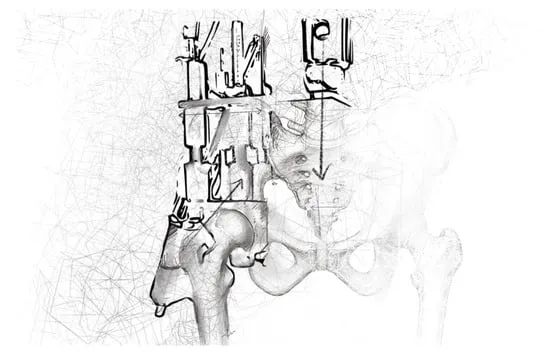
Our latest research demonstrates that AI-driven 3D landmark detection can locate femoral anatomical features with accuracy that matches — and in several cases exceeds — expert human clinicians. The study achieved ICC values exceeding 0.92 across all measured parameters, validating the precision of our machine learning approach.
Key Innovation
This work represents a significant advancement in digital surgery planning. By automating the detection of anatomical landmarks, we’re enabling more precise surgical preparation and better patient outcomes through personalized medical solutions.

Recognition for Excellence
Our collaborators at the Department of Anatomy at the University of Thessaly has been officially recognized by ESSKA — the European Society for Surgery of the Knee. The department has been selected as an International Training and Certification Center, where orthopedic surgeons from around the world will be trained and certified in specialized meniscus and ACL modules.
This recognition highlights the clinical excellence and leadership in orthopaedic education demonstrated by our partners at the University of Thessaly on a global scale.

Impact for Future Practice
This research contributes to the growing field of digital surgery, where computational methods enhance surgical precision and patient-specific treatment planning. As we continue to develop AI-powered solutions, we’re committed to advancing both clinical practice and medical education worldwide.
The full presentation is available through the ESSKA Congress proceedings.